Description
Liquefied Petroleum Gas (LPG) – Industrial and Export Supply from Iran
Introduction
Liquefied Petroleum Gas (LPG) is one of the most versatile and globally traded hydrocarbon fuels used across residential, commercial, industrial, petrochemical, and transportation sectors. Consisting primarily of propane (C₃H₈) and butane (C₄H₁₀), LPG offers a high-energy, clean-burning, and easily transportable fuel solution that plays a critical role in the global energy supply chain. Its ability to transition between liquid and gaseous phases under moderate pressure makes LPG uniquely suitable for storage, transport, and distribution in regions lacking pipeline gas infrastructure.
Iran, as one of the world’s major hydrocarbon producers, maintains a significant LPG production capacity derived from its large oil refineries, gas processing complexes, and petro-refineries. With growing demand across South Asia, Southeast Asia, Africa, and emerging industrial markets, Iranian LPG has become a competitive export commodity, offering stable supply, flexible delivery options, and attractive pricing structures linked to international benchmarks.
This page provides a comprehensive technical, commercial, and logistical overview of LPG, including production sources in Iran, applications, quality characteristics, transportation standards, and export procedures.
Chemical Composition
Although the term Liquefied Petroleum Gas (LPG) is sometimes used to refer to pure propane or pure butane, commercial LPG is typically a mixture of both gases.
The most common commercial LPG blends include:
✅ 30% Propane / 70% Butane
✅ 50% Propane / 50% Butane
Depending on the refinery, production process, climate requirements, and customer specifications, the exact composition may vary slightly.
For the precise chemical composition, physical properties, and quality specifications of each LPG grade, please refer to the corresponding product page or technical specification tab.
Key Physical Advantages
- High calorific value: approximately 45–46 MJ/kg
- Easily liquefied at moderate pressure
- Rapid vaporization for efficient combustion
- Minimal contamination risk when stored in certified pressure vessels
Because LPG can be stored in liquid form under relatively low pressure, large volumes of energy can be transported efficiently using tankers, cylinders, or ISO containers without requiring complex cryogenic systems.
Major Applications of LPG
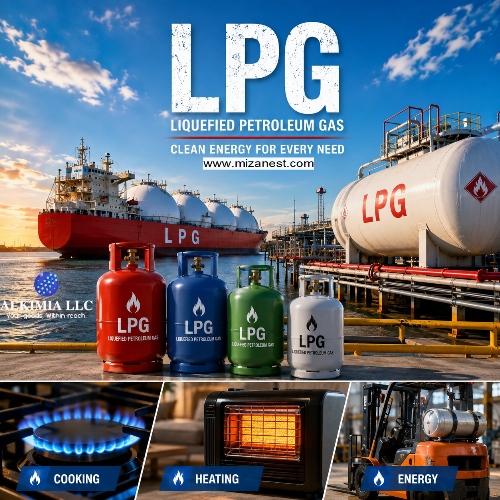
LPG serves as a universal fuel across multiple sectors of the economy, supporting both small-scale domestic usage and large-scale industrial consumption.
Residential and Commercial Applications
In residential environments, LPG is widely used for:
- Cooking fuel in gas stoves
- Water heating systems
- Space heating
- Small-scale power generation
- Restaurants and catering facilities
In regions where pipeline natural gas infrastructure is limited or unreliable, LPG remains the primary clean cooking fuel due to its portability and reliability.
Industrial Applications
Industrial consumers utilize LPG as a high-efficiency thermal fuel in:
- Industrial furnaces
- Boilers
- Ceramic and glass manufacturing
- Metal processing and heat treatment
- Textile drying operations
- Food processing plants
- Asphalt heating
- Power backup generators
Its consistent combustion temperature and clean flame characteristics make LPG suitable for processes requiring precise heat control.
Petrochemical and Chemical Feedstock
LPG is also an important petrochemical feedstock used in the production of:
- Propylene
- Ethylene
- Synthetic rubber
- Plastics and polymers
- Solvents
- Aerosol propellants
Refineries and petrochemical plants often utilize LPG streams as input materials for downstream chemical processing.
Transportation Fuel (Autogas)
LPG is increasingly used as a vehicle fuel known as Autogas, powering:
- Passenger vehicles
- Taxi fleets
- Buses
- Forklifts
- Agricultural machinery
Autogas provides lower emissions compared with gasoline and diesel fuels, contributing to improved urban air quality.
Iranian LPG Production Sources
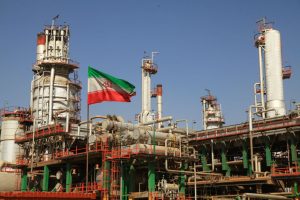
Iran’s LPG export supply is supported by several major refining and processing facilities. Key producers include:
These facilities produce LPG from crude oil refining, condensate processing, and natural gas fractionation. Production volumes vary depending on refinery operating conditions, seasonal demand, and export allocation programs.
Iran’s geographic proximity to major importing markets such as Pakistan, Bangladesh, India, East Africa, and Southeast Asia provides logistical advantages, reducing shipping time and freight costs compared with distant suppliers.
Pricing Mechanism
LPG pricing is typically linked to international reference benchmarks, particularly Saudi Aramco’s monthly contract prices (CP).
Delivery Terms
Standard delivery conditions for Iranian LPG exports are commonly:
FCA (Free Carrier) – Producer Location
Under FCA terms:
- The seller delivers LPG at the refinery or designated loading terminal
- The buyer arranges transportation and export logistics
- Transfer of risk occurs once cargo is loaded onto the buyer’s nominated carrier
Alternative delivery terms may be negotiated based on contract agreements.
LPG Storage and Handling
Because LPG is stored under pressure, strict safety and engineering standards govern storage systems, loading procedures, and transportation infrastructure.
Storage Facilities
Typical LPG storage installations include:
- Spherical pressure tanks
- Horizontal cylindrical pressure vessels
- Underground storage systems
- Terminal storage farms at export ports
These systems are designed to maintain controlled pressure and temperature conditions to ensure safe containment.
Transportation and Export Logistics
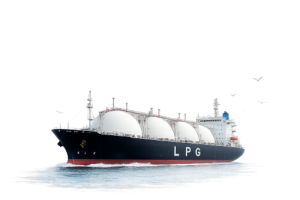
Efficient transportation plays a critical role in LPG export operations. International LPG shipments are conducted using specialized equipment designed for pressurized hydrocarbon transport.
Marine Transportation
LPG is transported internationally using dedicated gas carriers, including:
- Pressurized LPG carriers
- Semi-refrigerated LPG carriers
- Fully refrigerated LPG carriers
- Very Large Gas Carriers (VLGC)
Cargo capacities range from a few thousand cubic meters to over 80,000 cubic meters depending on vessel class. Loading operations are conducted at specialized marine terminals equipped with pressurized transfer systems and safety monitoring controls.
ISO Tank Containers
For smaller shipments or multimodal logistics, LPG can be transported in certified ISO tank containers, which allow flexible transportation via:
- Ocean shipping
- Rail transport
- Road tank trucks
ISO containers typically carry approximately 20–25 metric tons of LPG and are widely used for regional trade routes.
Road Tanker Transportation
Domestic and cross-border shipments frequently use pressurized road tankers designed according to international safety standards such as:
- ADR (European road transport regulations)
- ASME pressure vessel standards
- ISO pressure equipment standards
Road tankers provide flexible distribution to inland industrial consumers and storage terminals.
Safety Standards and Quality Assurance
LPG export operations follow internationally recognized safety standards covering:
- Pressure vessel manufacturing
- Tanker certification
- Loading and unloading procedures
- Gas detection systems
- Emergency response protocols
Quality control is ensured through laboratory testing and issuance of Certificates of Analysis (COA) verifying composition, purity, and sulfur content before shipment.
Market Outlook and Export Potential
Demand for LPG continues to expand globally, driven by:
- Urbanization in developing countries
- Industrial fuel switching toward cleaner energy sources
- Expansion of petrochemical production
- Growth in LPG vehicle fuel usage
- Increased demand for off-grid household energy
Countries such as Pakistan, Bangladesh, India, Indonesia, and several African nations represent strong import markets requiring stable long-term supply contracts. Iran’s production scale, geographic location, and established refining capacity position it as a reliable supplier capable of supporting sustained regional demand.
Iran lpg price per ton | LPG CP price | LPG Price in Iran |Iranian LPG
Saudi Aramco Contract Price (CP) is the most widely recognized benchmark for LPG pricing across the Middle East and Asian markets. Every month, Saudi Aramco announces its official Contract Prices for propane (C3) and butane (C4), which serve as reference prices for a large portion of LPG trade in Asia, including India, China, Pakistan, Bangladesh, and other regional markets. As a result, many LPG transactions are priced on a “CP Plus” or “CP Minus” basis.
Iranian LPG export prices are typically determined at a discount to the Saudi Aramco CP. Depending on market conditions, destination, purchase volume, and payment terms, these discounts may range from approximately CP -10 to CP -210 per metric ton. Such discounts are considered highly competitive within the global LPG market and often provide Iranian LPG with a significant pricing advantage compared to other regional suppliers. Due to its broad acceptance and transparency, the Saudi Aramco CP remains one of the most influential benchmarks for LPG pricing throughout the Asia-Pacific region.
you can check LPG price and offers here …
Continue to read LPG price and offers
China is the largest destination for Iranian LPG exports, driven by strong demand from petrochemical and PDH units. Pakistan is another key market, importing Iranian LPG for both industrial use and domestic consumption. The United Arab Emirates plays a role as a trading and re export hub, while shipments also move toward South Asian countries such as Bangladesh. In some periods, cargoes have reached African markets through traders. Overall, Asian markets dominate Iranian LPG export flows due to geographic proximity and competitive pricing.
full text of LPG article
Strategic Advantages of Iranian LPG Supply
International buyers benefit from several competitive advantages when sourcing LPG from Iran:
- Large production capacity across multiple refineries
- Flexible cargo sizing
- Competitive pricing linked to global benchmarks
- Geographic proximity to major importing regions
- Multiple transportation options including marine, ISO container, and road tanker logistics
- Consistent quality meeting international industrial standards
These factors enable importers, distributors, and industrial consumers to secure dependable LPG supply for long-term operational planning.
Conclusion
Liquefied Petroleum Gas remains one of the most efficient, flexible, and widely utilized fuels in the global energy market. Its high energy density, clean combustion characteristics, ease of storage, and adaptability across industrial, residential, and transportation sectors make LPG an essential component of modern energy systems.
Iranian production sources including Abadan Oil Refinery, Kangan Petrorefinery, Lavan Oil Refinery, National Iranian Oil Products Distribution Company, and Persian Gulf Star Oil Refinery contribute substantial export volumes to regional and international markets. Supported by established refining infrastructure, competitive export pricing mechanisms, and diversified transportation systems, Iran continues to serve as a reliable LPG supplier for importing countries across Asia, Africa, and emerging global markets.
For energy distributors, industrial consumers, and international trading companies seeking consistent supply and commercially competitive pricing, Iranian LPG offers a strategic and dependable sourcing option capable of meeting both short-term procurement requirements and long-term contractual supply commitments.
Lavan Oil Refinery LPG – Technical Overview and Datasheet Analysis
Liquefied Petroleum Gas (LPG) produced by Lavan Oil Refinery is one of the strategic light hydrocarbon products supplied to both domestic and export markets. While general information about LPG may already be available on your main page, this article focuses exclusively on the technical specifications, composition, and quality characteristics of LPG produced by Lavan Oil Refinery, with detailed reference to its official datasheet.
📍 Location of Lavan Oil Refinery
Lavan Oil Refinery is located on Lavan Island in the Persian Gulf, southern Iran. The refinery benefits from:
- Direct access to international shipping routes
- Proximity to major crude oil production fields
- Export infrastructure through marine terminals
- Strategic positioning for regional and international LPG trade
Its geographic location gives it a logistical advantage for bulk LPG exports to Asia, Africa, and neighboring Gulf countries.
🔬 Official LPG Datasheet – Lavan Oil Refinery
Download Datasheet of Lavan Oil Company LPG
According to the refinery’s product specification sheet, the LPG quality parameters are as follows:
| Parameter | Specification |
|---|
| Propane (C3) | 15 – 70 % |
| Butane (C4) | 30 – 85 % |
| Pentane (C5) | Max 2.0 vol.% |
| Ethane | Max 0.2 vol.% |
| Hydrogen Sulfide (H₂S) | Negative |
| Mercaptan Sulfur | Max 0.23 g/m³ |
Lavan Oil Refinery LPG
🔍 Detailed Explanation of Technical Parameters
1️⃣ Propane (C3): 15–70%
Propane is the lighter fraction of LPG and plays a critical role in determining vapor pressure and cold-weather performance.
- Higher propane content increases vapor pressure.
- Ideal for colder climates where consistent gas vaporization is required.
- Enhances combustion efficiency in industrial burners and heating systems.
- Suitable for petrochemical feedstock applications.
The wide specification range indicates that Lavan Refinery can adjust the propane concentration according to market demand and seasonal requirements.
2️⃣ Butane (C4): 30–85%
Butane is heavier than propane and contributes to energy density and stable storage performance.
- Provides higher calorific value per unit volume.
- More suitable for warmer climates.
- Offers improved storage safety due to lower vapor pressure.
- Commonly used in residential cylinders and portable fuel applications.
The flexible propane–butane ratio enhances the product’s adaptability for both domestic and export markets.
3️⃣ Pentane (C5): Max 2.0 vol.%
Pentane is a heavier hydrocarbon fraction. Excessive pentane content can:
- Increase boiling point
- Reduce vaporization efficiency
- Leave heavier residues in storage systems
The maximum 2% limit demonstrates effective fractionation and quality control during the refining process.
4️⃣ Ethane: Max 0.2%
Ethane is a very light hydrocarbon with high vapor pressure.
- Low ethane content ensures stable tank pressure.
- Reduces handling and safety risks.
- Improves consistency in storage and transport conditions.
The tight limit (≤0.2%) reflects refined separation efficiency.
5️⃣ Hydrogen Sulfide (H₂S): Negative
The absence of hydrogen sulfide is a major quality and safety indicator.
- Prevents corrosion in pipelines and storage tanks.
- Eliminates toxic gas risks.
- Ensures compliance with international export standards.
- Enhances environmental safety.
H₂S-negative LPG is essential for long-term infrastructure reliability.
6️⃣ Mercaptan Sulfur: Max 0.23 g/m³
Mercaptans are sulfur compounds added in trace amounts for odor detection. However, total sulfur must remain controlled.
- Low sulfur ensures cleaner combustion.
- Reduces SOx emissions.
- Minimizes environmental impact.
- Complies with international fuel quality regulations.
The specified limit demonstrates balanced odorization control while maintaining low sulfur levels.
⚙️ Quality and Market Advantages
Lavan Oil Refinery LPG offers several competitive advantages:
- Adjustable propane–butane composition
- Controlled sulfur content
- H₂S-free specification
- Suitable for petrochemical feedstock and fuel use
- Export-ready quality standards
- Strategic Gulf export location
🌍 Applications
LPG from Lavan Refinery is suitable for:
- Residential heating and cooking
- Industrial fuel systems
- Petrochemical feedstock
- Autogas applications
- Bulk export trading
Conclusion
LPG produced by Lavan Oil Refinery represents a flexible, high-quality hydrocarbon fuel meeting both domestic and international market requirements. Its controlled composition, low sulfur content, absence of hydrogen sulfide, and strategic Persian Gulf location make it a reliable option for traders, industrial users, and petrochemical buyers seeking consistent and export-compliant LPG supply.
National Iranian Oil Products Distribution Company (NIOPDC) LPG Analysis and Specifications
Liquefied Petroleum Gas (LPG): A Clean, Efficient, and Reliable Energy Source
Liquefied Petroleum Gas (LPG) is one of the most important petroleum products produced by Iranian refineries. Due to its high calorific value, ease of transportation, clean combustion characteristics, and wide range of domestic, commercial, and industrial applications, LPG plays a vital role in Iran’s energy portfolio. The National Iranian Oil Products Distribution Company (NIOPDC) continuously monitors and controls the quality of LPG in accordance with national and international standards to ensure safe, efficient, and reliable supply to consumers.
LPG primarily consists of propane (C₃) and butane (C₄) hydrocarbons. The ratio of these components is adjusted seasonally according to climatic conditions and refinery locations. Higher propane content during colder months improves vaporization and combustion performance, while higher butane content during warmer seasons enhances economic efficiency and energy utilization.
LPG Quality Specifications
| Property | Unit | Specification |
|---|
| C₂ Hydrocarbon (Ethane) | Vol % | 0.2 Max |
| C₃ Hydrocarbon (Propane) | Vol % | Seasonal Variation |
| C₄ Hydrocarbon (Butane) | Vol % | Seasonal Variation |
| C₅ Hydrocarbon and Heavier | Vol % | 2.0 Max |
| Hydrogen Sulphide (H₂S) | – | Negative |
| Mercaptan Sulphur | g/m³ | 0.23 Max |
| Odorizing Agent (Ethyl Mercaptan) | g/m³ | 12 |
Test Methods
| Property | Test Method |
|---|
| C₂ Hydrocarbon | ASTM D2163 |
| C₃ Hydrocarbon | ASTM D2163 |
| C₄ Hydrocarbon | ASTM D2163 |
| C₅ Hydrocarbon | ASTM D2163 |
| Hydrogen Sulphide | ASTM D2420 |
| Mercaptan Sulphur | IP 104(A) |
Note: The mercaptan sulphur limit applies to the product prior to the addition of the odorizing agent (ethyl mercaptan).
Seasonal LPG Composition
The propane (C₃) and butane (C₄) composition varies seasonally to ensure optimum performance under different ambient temperatures.
Abadan and Bandar Abbas Refineries
| Period | Propane (C₃) % | Butane (C₄) % |
|---|
| June 1 – September 30 | 15–25 | 85–75 |
| October 1 – November 30 | 30–40 | 70–60 |
| December 1 – February 28/29 | 50–60 | 50–40 |
| March 1 – May 31 | 30–40 | 70–60 |
Tehran, Arak, Shiraz, Kermanshah, and Isfahan Refineries
| Period | Propane (C₃) % | Butane (C₄) % |
|---|
| June 1 – August 31 | 15–25 | 85–75 |
| September 1 – October 31 | 30–40 | 70–60 |
| November 1 – March 31 | 50–60 | 50–40 |
| April 1 – May 31 | 30–40 | 70–60 |
Tabriz Refinery
| Period | Propane (C₃) % | Butane (C₄) % |
|---|
| July 1 – August 31 | 15–25 | 85–75 |
| September 1 – October 31 | 30–40 | 70–60 |
| November 1 – April 30 | 50–60 | 50–40 |
| May 1 – June 30 | 30–40 | 70–60 |
Key Advantages of NIOPDC LPG
✔ High heating value and combustion efficiency
✔ Low sulphur content and reduced environmental emissions
✔ Absence of corrosive and toxic hydrogen sulphide (H₂S)
✔ Strict control of light and heavy hydrocarbon fractions
✔ Seasonal optimization of propane and butane ratios
✔ Suitable for residential, commercial, industrial, and petrochemical applications
✔ Safe handling and transportation when used according to established standards
Conclusion
The LPG distributed by the National Iranian Oil Products Distribution Company (NIOPDC) is a high-quality energy product manufactured and controlled in accordance with stringent technical specifications and internationally recognized testing standards. Through precise management of hydrocarbon composition, elimination of hydrogen sulphide, limitation of sulphur compounds, and seasonal adjustment of propane and butane content, NIOPDC ensures a safe, clean, and efficient fuel supply. These characteristics make LPG one of the most valuable and versatile energy carriers in Iran, supporting domestic consumption, industrial development, and environmental sustainability.
LPG from Kharg Petrochemical Co – Technical Specifications, Quality, and Export Advantages
LPG produced by Kharg Petrochemical is recognized in the regional market as one of the highest-quality LPG sources in the Middle East. This is because the complex is directly fed from sour gas feedstock from offshore gas fields, and its separation process is purer compared to many aromatic or gas-oriented complexes, resulting in a high-purity LPG.
Geographic Location and Export Access
The complex is located on Kharg Island, Iran’s most important energy export terminal. The direct proximity of the production unit to export docks enables faster loading and lower logistics costs. This operational efficiency is particularly significant in FOB transactions.
Address:
Bushehr Province, Kharg Island, Kharg Petrochemical Complex
Propane Specifications:
Purity of Propane: Minimum 98 mol%
Ethane and lighter: Maximum 2 mol%
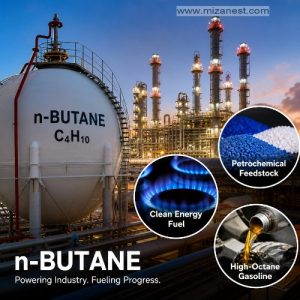
Butane and heavier: Maximum 2 mol%
Total Sulfur: Maximum 30 ppm
H₂S: Not detected
Vapor Pressure: Maximum 200 Psig
Specific Gravity: Maximum 0.510
Butane Specifications:
Total Butane: Approx. 97 mol%
Propane and lighter: Maximum 2 mol%
Total Sulfur: Maximum 30 ppm
H₂S: Not detected
Non-volatile Residue: Maximum 0.1 vol%
Vapor Pressure: Maximum 50 Psig
Specific Gravity: Maximum 0.585
Technical Quality Assessment
The very low sulfur content (30 ppm) ensures higher combustion quality and greater suitability for sensitive markets. The high purity of propane and butane (98% and 97%) demonstrates refinery-grade LPG, making it highly suitable for household, industrial, and premium standard applications. The absence of H₂S provides a major advantage in handling, storage, and industrial use.
Commercial Advantages of Kharg LPG
High quality and export-standard purity make it ideal for demanding markets such as East Asia and Europe. The direct access to Iran’s largest energy export terminal ensures stable supply, supported by natural gas feedstock. Propane Grade and Butane Grade can be supplied separately, offering flexibility for different customer requirements.
Expert Summary
Kharg Petrochemical LPG effectively qualifies as export-grade high-purity LPG. Its high purity, low sulfur content, and excellent logistical position make it preferred in premium export transactions. It is typically in steady demand in long-term contracts for sensitive markets.
South Pars LPG (Assaluyeh)
Liquefied Petroleum Gas (LPG) produced by the South Pars Gas Complex is one of Iran’s most important hydrocarbon products for both domestic consumption and international export markets. This product is obtained through the processing and separation of natural gas from the giant South Pars gas field and is recognized for its high purity, extremely low levels of corrosive compounds, and consistent quality. As a result, it is widely used in the energy, petrochemical, industrial fuel, heating, and export sectors.
Refineries 3 and 5 of the South Pars Gas Complex, supplied by Phases 4, 5, 9, and 10 of the South Pars field, are among the country’s major producers of propane and butane. These products are processed and quality-controlled in accordance with international ASTM standards, making them suitable for a wide range of global markets.
One of the key advantages of South Pars LPG is its stable quality and strict control of contaminants. The very low sulfur content, absence of hydrogen sulfide, absence of free water, and excellent copper strip corrosion test results demonstrate that this product is highly suitable for storage, transportation, and industrial applications.
Butane Specification – South Pars Refineries 3 & 5
| Property | Test Method | Min | Max |
|---|
| Specific Gravity @ 60°F | ASTM D2598 | Reported | – |
| Butane Content (Vol%) | ASTM D2163 | 95 | – |
| Vapor Pressure @ 100°F (Psig) | ASTM D1267 or ASTM D2598 | – | 70 |
| Volatile Residue: C5 & Heavier (Vol%) | ASTM D2163 | – | 2 |
| Copper Strip Corrosion | ASTM D1838 | No.1 Strip | – |
| Sulfur Content (WT%) | ASTM D1266 / D5453 / IP103 | – | 0.008 |
| Hydrogen Sulfide (H₂S) | ASTM D2420 | Negative | – |
| Free Water | Visual | None | – |
Butane Quality Assessment
✅ A minimum butane purity of 95% indicates a high-quality product suitable for industrial applications and LPG blending.
✅ A maximum vapor pressure of 70 Psig provides greater stability during storage and handling, particularly in warm climates.
✅ Limiting C5 and heavier hydrocarbons to a maximum of 2% helps minimize residue formation and operational issues.
✅ The No.1 Strip result in the copper strip corrosion test confirms that the product is essentially free of corrosive compounds.
✅ The absence of H₂S and very low sulfur content contribute to longer equipment life and reduced corrosion risks.
Propane Specification – South Pars Refineries 3 & 5
| Property | Test Method | Min | Max |
|---|
| Specific Gravity @ 60°F | ASTM D2598 | Reported | – |
| Propane Content (Vol%) | ASTM D2163 | 96 | – |
| Ethane Content (Vol%) | ASTM D2163 | – | 2 |
| Vapor Pressure @ 100°F (Psig) | ASTM D1267 or ASTM D2598 | – | 200 |
| Volatile Residue: C4 & Heavier (Vol%) | ASTM D2163 | – | 2.5 |
| Residual Matter on Evaporation of 100 ml (ml) | ASTM D2158 | – | 0.05 |
| Oil Stain Observation | ASTM D2158 | PASS | – |
| Copper Strip Corrosion | ASTM D1838 or ASTM D5453 | No.1 Strip | – |
| Sulfur Content (WT%) | ASTM D1266 | – | 0.004 |
| Hydrogen Sulfide (H₂S) | ASTM D2420 or IP103 | Negative | – |
| Moisture Content | ASTM D2713 or ASTM D1744 | PASS | – |
Propane Quality Assessment
✅ A minimum propane purity of 96% places South Pars propane among high-quality export-grade products.
✅ A vapor pressure of up to 200 Psig ensures reliable vaporization performance, especially in colder climates.
✅ Limiting ethane content to a maximum of 2% helps maintain product consistency and performance.
✅ The PASS result in the oil stain observation test confirms the absence of heavy oily contaminants and non-volatile residues.
✅ With sulfur content limited to 0.004 wt%, the product offers exceptional cleanliness for demanding industrial applications.
✅ The absence of hydrogen sulfide and successful moisture testing further enhance product safety, reliability, and operational efficiency.
Competitive Advantages of South Pars LPG
✅ Produced from one of the world’s largest natural gas reservoirs
✅ Reliable and sustainable gas feedstock supply
✅ High-purity propane and butane streams
✅ Extremely low sulfur and corrosive compounds
✅ Compliance with internationally recognized ASTM standards
✅ Suitable for both marine and overland export logistics
✅ Widely applicable in energy, petrochemical, heating, and industrial fuel sectors
Typical LPG Blend Produced by South Pars
It should be noted that the above specifications refer to propane and butane as separate products. In commercial LPG production, these components are blended in varying ratios depending on customer requirements and market conditions.
However, South Pars LPG is typically supplied as a 50/50 blend of propane and butane, providing an optimal balance between vapor pressure, storage stability, handling safety, and end-user performance across a wide range of climatic conditions and industrial applications.



Reviews
There are no reviews yet.