


Description
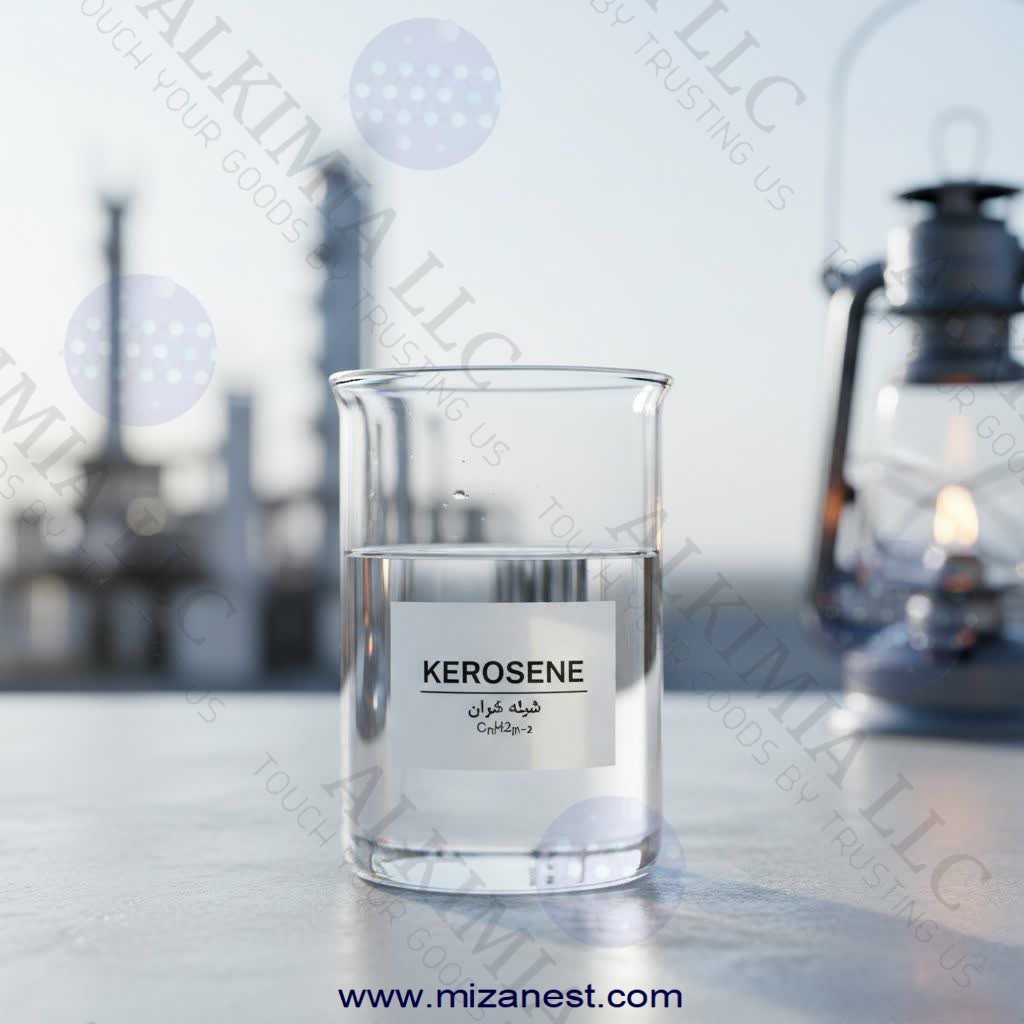
Persian Gulf Star Refinery Kerosene – High-Purity Middle Distillate Fuel for Heating & Industrial Applications
Product Name: Kerosene
Producer: Persian Gulf Star Refinery
Product Type: Middle Distillate Fuel
Grade: Export / Industrial
🛢️🔥
Product Overview
Kerosene is a refined middle-distillate petroleum product obtained from atmospheric distillation of crude oil, positioned between gasoline and gasoil in terms of boiling range and volatility. This strategic position gives kerosene a unique balance of combustion stability, operational safety, and energy efficiency, making it suitable for a wide range of thermal and industrial applications.
Persian Gulf Star Refinery Kerosene is produced under strictly controlled refining and finishing conditions, resulting in a narrow distillation curve, ultra-low mercaptan sulfur content, and stable physical properties. These characteristics ensure consistent performance across diverse operating environments, from domestic heating systems to industrial burners and export supply chains.
Unlike residual or blended fuels, this kerosene is a purpose-engineered product designed to meet both operational and regulatory expectations in domestic and international markets.
Refining Process and Product Positioning
Kerosene is extracted as a discrete fraction during atmospheric distillation, typically within a boiling range of approximately 150°C to 240°C. Precise control of cut points and fraction separation is critical, as contamination with lighter fractions increases volatility and safety risks, while heavier fractions degrade combustion quality.
The refining configuration of Persian Gulf Star Refinery allows for accurate fractionation and post-treatment, ensuring that Persian Gulf Star Refinery Kerosene maintains compositional uniformity and performance consistency. This level of control is essential for applications that rely on predictable evaporation behavior and stable flame characteristics.
Key Quality Characteristics
🔥 Combustion Stability
A tightly controlled boiling range ensures smooth vaporization, stable flame propagation, and consistent heat release, reducing operational fluctuations.
🛡 Enhanced Safety Margin
The relatively high flash point significantly reduces fire hazards during storage, handling, and transportation compared to lighter petroleum fuels.
🌱 Ultra-Low Mercaptan Sulfur
Mercaptan sulfur levels below 1 wppm minimize odor, corrosion, and environmental impact, while improving compatibility with sensitive equipment.
⚙️ Refining Consistency
Careful fractionation and finishing eliminate heavy-end hydrocarbons that contribute to soot formation and deposit buildup.
✨ Low Smoke Emission
A high smoke point supports clean combustion, particularly in enclosed or indoor applications.
Typical Applications
Residential and Semi-Industrial Heating
Kerosene remains a critical heating fuel in regions lacking reliable access to natural gas infrastructure. Its clean combustion profile, manageable volatility, and ease of storage make it well suited for space heaters, boilers, and auxiliary heating systems.
The low sulfur and high smoke point of Persian Gulf Star Refinery Kerosene reduce burner fouling and maintenance frequency, extending equipment service life and improving overall thermal efficiency.
Industrial Thermal Applications
In industrial settings, kerosene is used in small to medium-scale burners, furnaces, and process heaters where stable heat output and operational reliability are required. Its predictable evaporation behavior enables precise temperature control, particularly in batch or intermittent processes.
Lighting and Controlled-Flame Equipment
Kerosene is widely used in pressure lamps and controlled-flame lighting devices, especially in remote or off-grid environments. Uniform distillation and low smoke characteristics are essential for these applications, ensuring consistent illumination and minimal soot formation.
Energy Supply for Remote and Off-Grid Areas
Due to its non-pressurized storage, transport flexibility, and safety characteristics, kerosene is an effective energy carrier for remote regions. It can be stored for extended periods with minimal degradation when handled correctly.
Export and Trading Markets
From a commercial perspective, Persian Gulf Star Refinery Kerosene is suitable for international trade, where buyers demand transparent specifications, low sulfur content, and refinery-backed quality assurance. The product’s stable properties reduce disputes related to performance and compliance.
Technical Specifications (Typical Values)
📊 Persian Gulf Star Refinery Kerosene
Property | Value | Unit
Recovered at 185°C | 65 | vol.%
Recovered at 200°C | 93 | vol.%
Recovered at 210°C | 97 | vol.%
Final Boiling Point | 223 | °C
Density | 783.8 | kg/m³
Specific Gravity | 0.7838 | –
Flash Point | 49.5 | °C
Smoke Point | 28.9 | mm
Mercaptan Sulfur | <1 | wppm
Color | 30 | –
Loss | 0.4 | v/v%
Detailed Interpretation of Technical Specifications
Distillation Recovery Values
The recovery percentages at 185°C, 200°C, and 210°C demonstrate a narrow and controlled distillation window. This indicates a homogeneous hydrocarbon composition, which is essential for predictable combustion behavior. High recovery at moderate temperatures supports reliable ignition and smooth flame stabilization.
Final Boiling Point
A final boiling point of 223°C confirms the absence of excessive heavy fractions. This directly reduces carbon residue formation, soot generation, and deposit buildup in combustion equipment, improving long-term operational reliability.
Density and Specific Gravity
The density of 783.8 kg/m³ and corresponding specific gravity of 0.7838 reflect a balanced composition within standard kerosene ranges. These parameters influence volumetric energy content, storage design, and pump selection, all of which are critical in industrial and bulk handling operations.
Flash Point
A flash point of 49.5°C enhances safety by reducing vapor formation at ambient temperatures. This property is particularly important during storage and transportation in warm climates.
Smoke Point
The smoke point of 28.9 mm indicates clean combustion with minimal soot formation. This is a critical parameter for indoor heating and lighting applications, where air quality and equipment cleanliness are priorities.
Mercaptan Sulfur
Mercaptan sulfur content below 1 wppm reflects advanced refining and finishing. Low mercaptan levels reduce odor, corrosion risk, and environmental emissions, while improving user acceptance and regulatory compliance.
Color and Loss
Low color value and minimal volumetric loss indicate good oxidative stability and effective control of evaporation and handling losses, contributing to both product longevity and economic efficiency.
Regulatory Compliance and Standards Alignment
Kerosene is subject to a range of national and international standards governing fuel quality, safety, and environmental performance. Key regulatory considerations include sulfur content, flash point, distillation range, and emissions behavior.
The ultra-low mercaptan sulfur content of Persian Gulf Star Refinery Kerosene supports compliance with stringent environmental and occupational safety requirements. Clean combustion characteristics help meet indoor air quality expectations and reduce particulate emissions.
From a transportation and storage perspective, the product’s flash point and physical stability align with standard petroleum fuel regulations, facilitating cross-border trade and logistical planning.
For export markets, transparent specification data and refinery traceability enhance buyer confidence and simplify regulatory approval processes.
Storage, Handling, and Transportation
Storage
Kerosene should be stored in clean, dry tanks constructed of compatible materials. Protection from direct heat sources and proper ventilation are recommended to maintain product integrity.
Transportation
The product is suitable for bulk transport via road tankers, railcars, and marine vessels under conventional petroleum transport regulations.
Handling
Standard industrial safety procedures should be followed. Avoid contamination with water, sediments, or heavier petroleum fractions to preserve performance characteristics.
Environmental and Operational Advantages
Low sulfur content and clean combustion reduce environmental impact and improve workplace conditions. Reduced soot and deposit formation lower maintenance requirements and extend equipment lifespan, contributing to lower total cost of ownership.
Energy & Market Comparison – Persian Gulf Star Refinery Kerosene vs. Other Fuels
1️⃣ Comparison with Liquid Distillates (Diesel & Fuel Oil)
Persian Gulf Star Refinery Kerosene offers a strategic advantage over heavier and lighter liquid fuels. Compared to diesel (gasoil), kerosene is lighter, cleaner-burning, and produces less soot and residue. This is particularly important for heating systems, industrial burners, and lighting equipment, where maintenance intervals, flame stability, and equipment longevity are critical.
Relative to heavier fuels like fuel oil or residual oil, kerosene demonstrates better volatility, cleaner combustion, lower deposit formation, and reduced equipment fouling. These features extend service life in both industrial and residential heating systems while maintaining efficient thermal performance.
2️⃣ Comparison with Pressurized Gaseous Fuels (LPG, Propane, Butane, NPG)
Unlike pressurized gases, Persian Gulf Star Refinery Kerosene can be stored and transported under ambient conditions without specialized containment. This makes it ideal for remote areas, off-grid applications, and regions with limited infrastructure.
While LPG, propane, and butane offer high calorific value, they require strict pressurized storage, leak monitoring, and regulatory compliance. Kerosene avoids these logistical challenges while providing comparable energy efficiency and operational reliability. NPG (Natural Petroleum Gas) also requires pressurization or pipelines, making kerosene a more flexible alternative for decentralized energy supply.
3️⃣ Commercial & Export Advantages
From a market and export perspective, Persian Gulf Star Refinery Kerosene is engineered for consistent quality and traceability. Its ultra-low mercaptan sulfur content, narrow distillation curve, and stable physical properties ensure predictable performance across diverse operating conditions.
This reliability enhances buyer confidence in international trade, simplifies regulatory compliance, and reduces operational disputes. The combination of clean combustion, storage flexibility, and versatile applications makes Persian Gulf Star Refinery Kerosene a preferred choice for industrial, residential, and export markets worldwide.
Why Choose Persian Gulf Star Refinery Kerosene?
For buyers, operators, and distributors seeking a kerosene product with consistent quality, predictable performance, and regulatory alignment, Persian Gulf Star Refinery Kerosene represents a technically reliable and commercially sound solution.
This product is engineered for real-world operation, long-term reliability, and international market acceptance.

Reviews
There are no reviews yet.